
Optimal Scheduling for Equipment Maintenance
Scheduling service at optimal times ensures maximum efficiency and longevity of equipment. Timing can depend on seasonal changes, usage patterns, and manufacturer recommendations. Properly timed service can prevent costly repairs and reduce downtime.
Performing service before peak usage seasons helps maintain performance and avoid unexpected failures during busy periods.
High-usage equipment benefits from more frequent service intervals to ensure optimal operation and prevent breakdowns.
Following specific service schedules suggested by manufacturers can extend the lifespan of equipment and maintain warranties.
Environmental conditions such as dust, humidity, or temperature fluctuations can influence the timing of service needs.

Ways to make Service work in tight or awkward layouts.
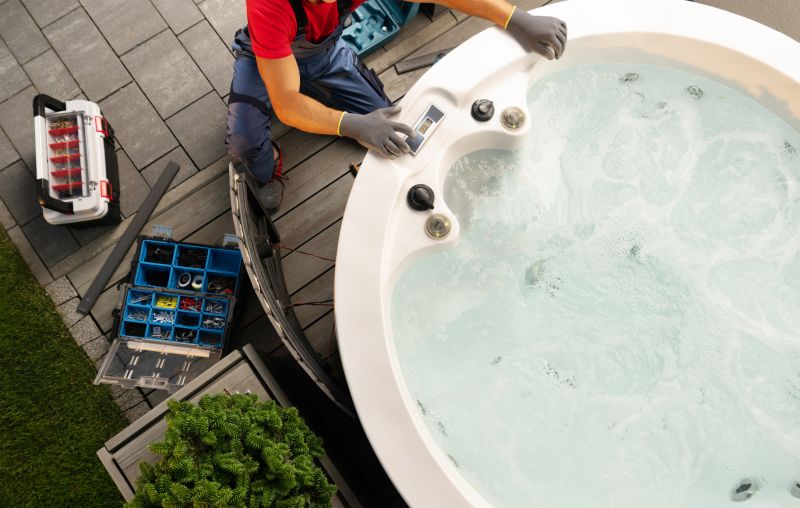
Popular materials for Service and why they hold up over time.
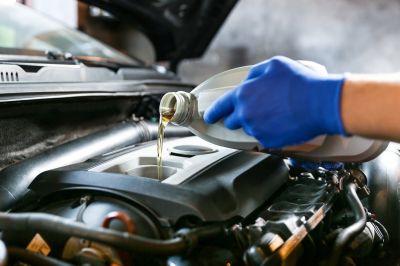
Simple add-ons that improve Service without blowing the budget.
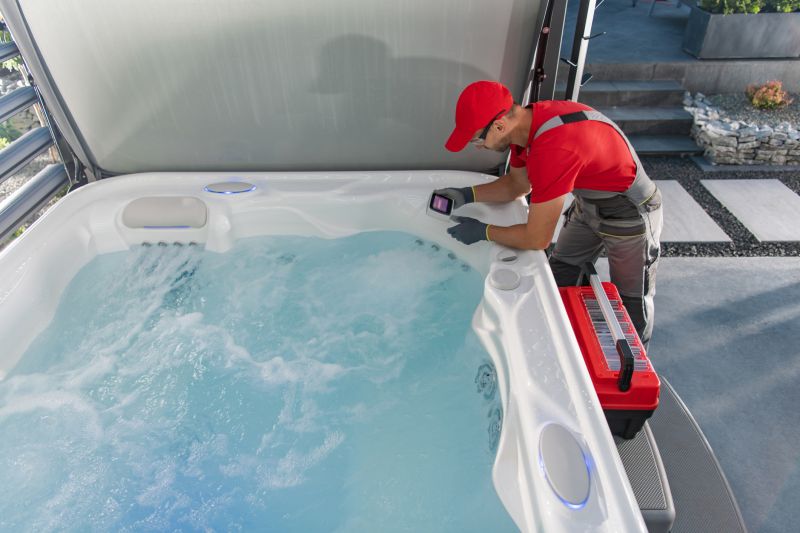
High-end options that actually feel worth it for Service.
| Timing Factors | Details |
|---|---|
| Seasonal Changes | Adjust service schedules based on season to prevent weather-related issues. |
| Usage Patterns | High-frequency use requires more regular maintenance. |
| Manufacturer Guidelines | Follow recommended intervals for optimal performance. |
| Environmental Conditions | Dust, humidity, and temperature can accelerate wear. |
| Operational Demands | Increased workload may necessitate earlier service. |
| Performance Issues | Address problems promptly to prevent further damage. |
| Equipment Age | Older equipment may need more frequent checks. |
| Historical Data | Track past service needs to predict future requirements. |
Regularly scheduled service is crucial for maintaining operational efficiency and preventing unexpected equipment failures. Understanding the optimal timing for service can lead to cost savings and improved performance. Monitoring usage patterns and environmental factors can help determine the best intervals for maintenance activities.

Finishes and colors that play nicely with Service.
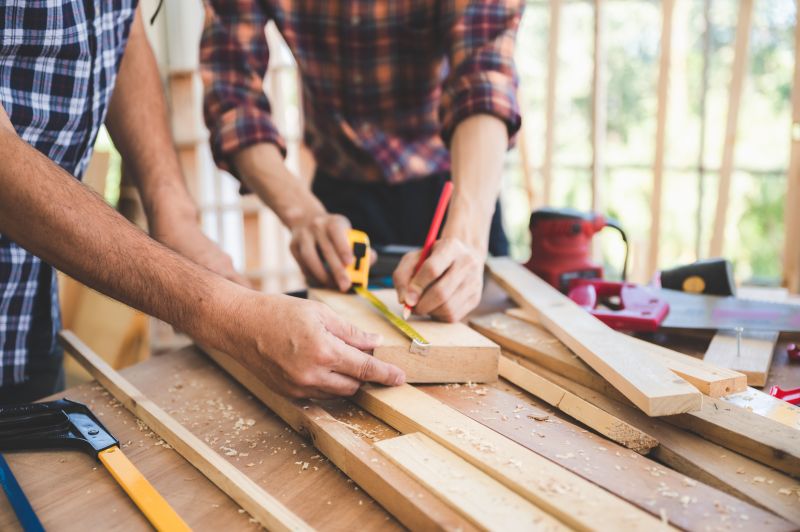
Little measurements that prevent headaches on Service day.

A 60-second routine that keeps Service looking new.

A frequent mistake in Service and how to dodge it.
Scheduling service at the right time can optimize equipment lifespan, reduce operational disruptions, and lower maintenance costs. Consistent monitoring and adherence to recommended intervals are key components of effective maintenance strategies.
Interested in scheduling a service appointment? Filling out the contact form is the best way to receive personalized recommendations and ensure your equipment operates at peak performance.